Four ways a person can prove their identity
| Chip or card | Fingerprint | Face | Mobile | |
|---|---|---|---|---|
| Speed | Immediate | One to two seconds | Immediate | Immediate |
| Lending between individuals | Possible; that is its weakness. | Excluded | Excluded | Possible but impractical |
| GDPR | Standard personal data | Biometrics, special category | Biometrics, special category | Standard personal data |
| Operation with gloves | Operational | Not working | Operational | Inconvenient |
| What to do in case of loss | Block and issue a new one | Cannot be lost | Cannot be lost | Revoke device authorization |
| Cost | Lowest | Higher-end terminal | Top-tier terminal | Low, without carriers |
In practice, most operations combine two methods: a chip as the primary method and a second method where there is a specific reason for it. Widespread biometrics is an expensive option that brings additional GDPR obligations and addresses a problem that some companies do not have at all.
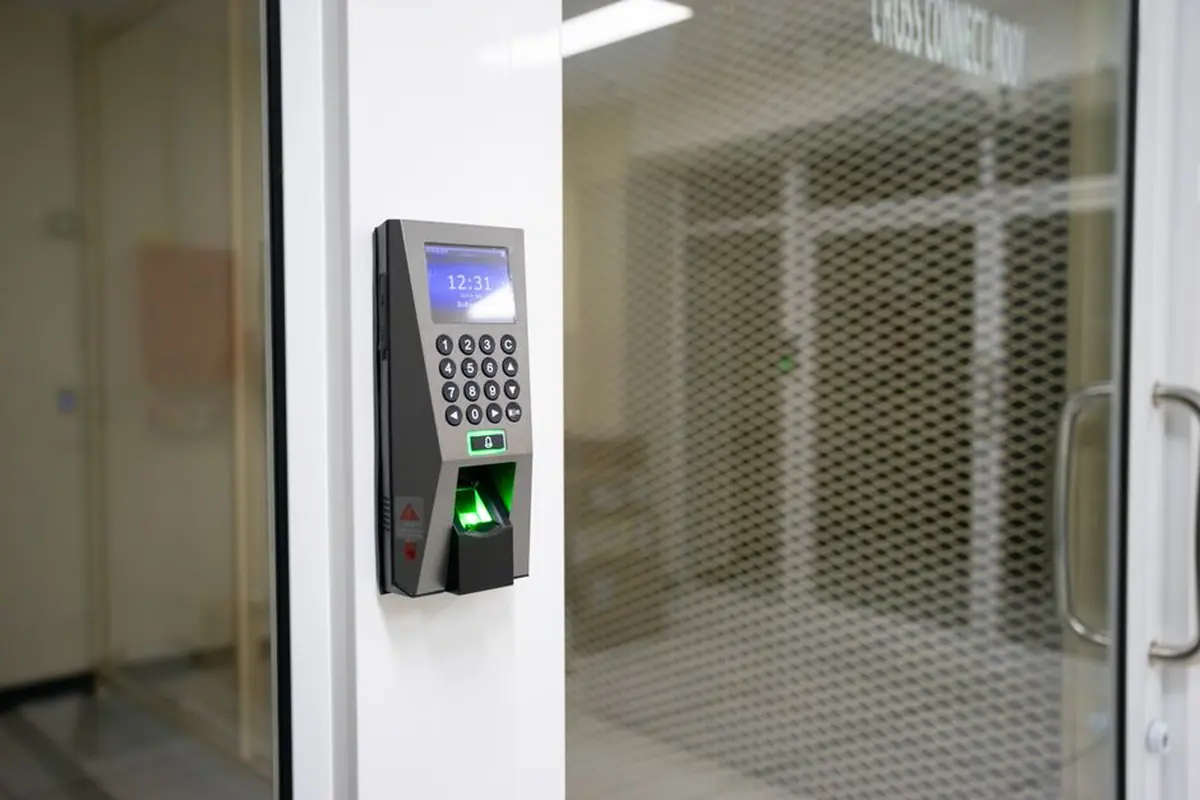
Where to install the terminal
- Where people already walk, not where there is a free wall. The detour for the beep will stop being observed within a month.
- Far enough from the door to prevent a queue that blocks access.
- Manufactured away from direct dust and moisture, with operating temperatures considered if the terminal is outdoor.
- Wiring to the distribution board, not to an extension lead. Power supply and backup are arranged together with installation location.
An attendance terminal and a door reader are not the same thing
The attendance terminal has a display, shows the status and offers reasons for leaving, such as a business trip or a doctor's appointment. The door reader simply decides whether to open. Both have their place in one system: the terminal at the entrance to the premises for attendance and readers on individual doors for access rights. We describe this division on the page about access system.
The terminal will likely be replaced in five years; your rules and authorisations will carry forward. That is why, when selecting a system, we first ask about operations and only then about the equipment.